
Fuel measurement on a fisheries research trawler
How an EU marine research institute replaced estimates with measured fuel consumption on its trawler — and set fuel norms for each trawling mode and fishing gear.
A century-old marine research institute
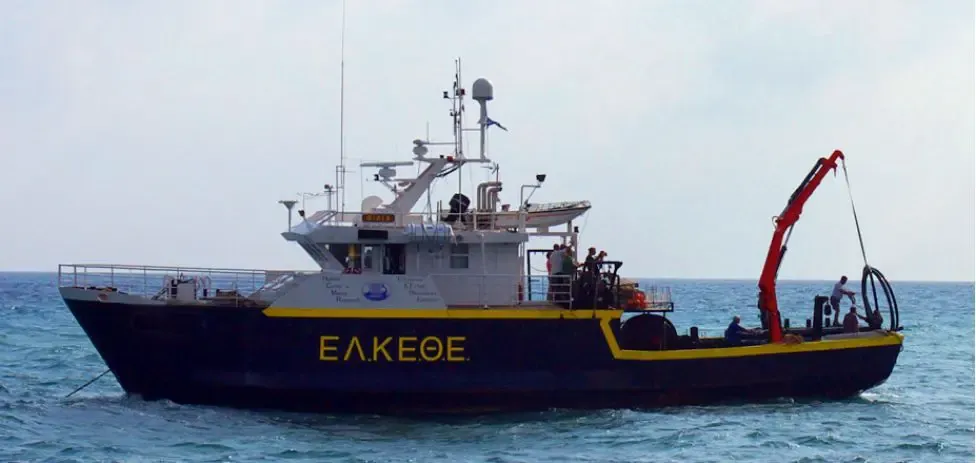
The end user is a state scientific research institute in the EU that has worked for over 100 years on studying and protecting the Mediterranean. A key area is fisheries research: monitoring and forecasting fish stocks, assessing water quality and advising on fish resource management.
Fuel efficiency research without fuel data
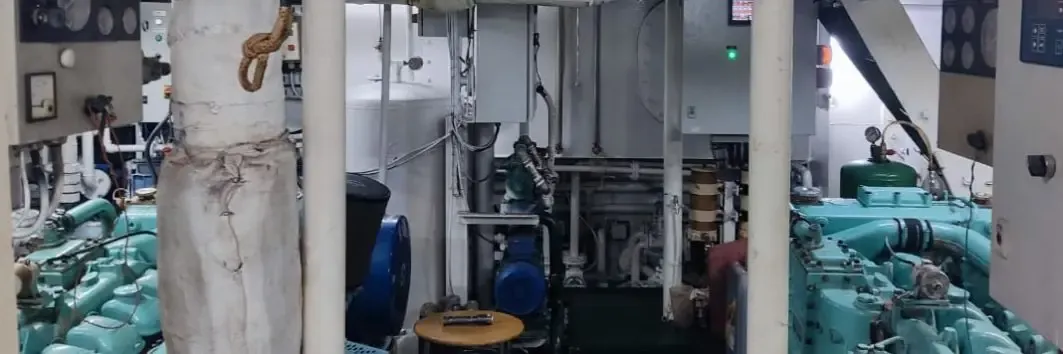
Fisheries research is done on a 31 m research trawler (186 t displacement), built in 1986 and modernised in 2020, with two 350 hp MAN main engines, two 135 hp generators and a 50 hp emergency generator. Researchers test fishing gear and simulate fishing modes to propose ways to make fishing more economical — and fuel is a major cost.
Until 2024, consumption was only estimated from experience and engine documentation. The institute needed fuel per fishing operation, fuel per type of gear, and visibility of any misuse.
Wireless flow meters on the NMEA 2000 bus
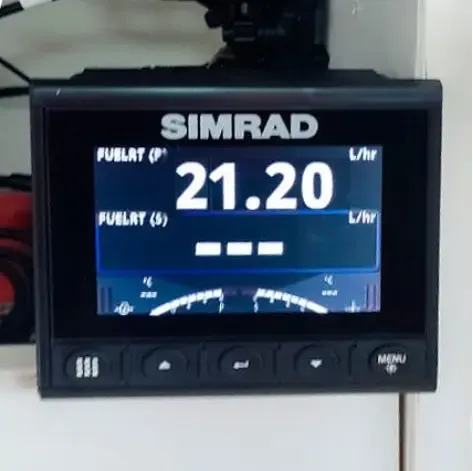
A marine integration partner fitted two DFM 250D S7 wireless differential flow meters on the main engines. They measure supply and return flow and transmit over Bluetooth Low Energy to two MasterCAN S7 NMEA converters, which put the data on the ship’s NMEA 2000 bus.
A Simrad IS42J engine display shows live consumption, and a satellite terminal sends the data to the vessel’s navigation software, where staff monitor fuel online and build reports for any period.
The institute now has real consumption for the engines in every operating mode: daily fuel use is precisely determined at around 1,600 litres. With that data it set fuel norms for different trawling modes and for using fishing gear under different conditions — load, friction, weather and other factors.
Task → Solution → Result
Estimates instead of data
Fuel efficiency research on a trawler with no measured consumption.
DFM 250D S7 + MasterCAN S7 NMEA
Wireless flow meters on both main engines, data on the NMEA 2000 bus and onshore.
Fuel norms per mode
~1,600 L/day measured; norms for each trawling mode and fishing gear.
To address the fuel monitoring task, we conducted a detailed market analysis and chose DFM flow meters and MasterCAN converters.
Head of department · Marine integration partner
Want product info and guidance from our experts?
Tell us about your fleet and we'll recommend the right measurement setup.