
Settle cost per trip at the engine, not the fuel card.
Per-trip fuel cost, axle load monitoring, and driver behavior data that feeds directly into the telematics platform you already use. Fuel-card purchases reconciled against real fuel events, with overload alerts before the weighbridge.
What you have today
Fuel cards show payment, tachographs show driving time, and existing telematics shows location. None of these alone proves what fuel entered the engine on each trip or whether axle limits were exceeded before the bridge.
What we add
DUT-E gives ±1% fuel level, CAN Crocodile adds engine behavior and fault data, and GNOM tracks axle load before fines happen. Fuel-card purchases are reconciled against real fuel events at real GPS points, inside your current platform.
Cost per trip ranked by truck and driver.
Fuel cost per 100 km rolls up by truck and driver across the week. High-consumption, high-idle, and repeated overload patterns surface automatically.
- Per-truck efficiency - L/100km ranked across the fleet with route and driver context.
- Behavior bands - in-band performance by idle ratio, harsh events, and RPM profile.
- Outlier flags - high idle, high consumption, and repeat overloads highlighted.
CAN-only for speed, or full stack for accountability.
Modern fleets often begin with CAN-only for immediate visibility. Add DUT-E and GNOM when fuel-card reconciliation, theft detection, and overload prevention become the priority.
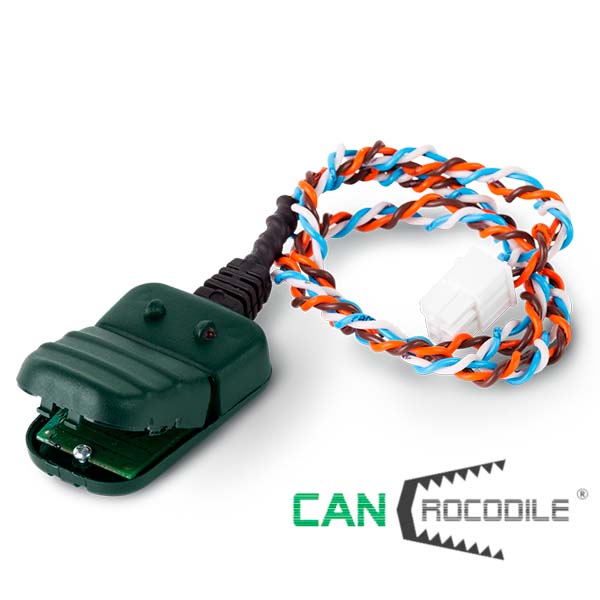
| Accuracy | ±3-5% fuel level (factory CAN) |
| Detects | Fuel level factory signal · RPM · engine hours · idle · fault codes |
| Install | 30 minutes per truck |
| Hardware cost | ~EUR220 per truck |
| Best when | Fast pilot · modern fleet · driver behavior is first priority |
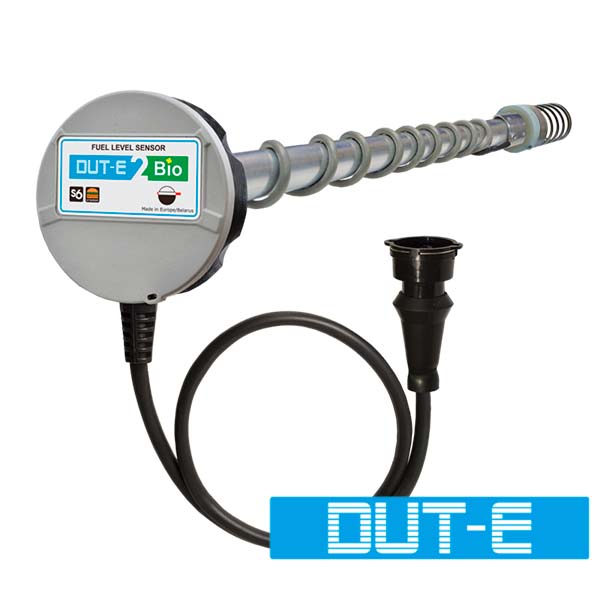
| Accuracy | ±1% fuel · ±50kg axle · full FMS |
| Detects | Everything from Way 1 + fuel-card reconciliation + axle overload alerts |
| Install | 4-6 hours per truck |
| Hardware cost | ~EUR780 per truck |
| Best when | Owned fleet · heavy-haul risk · suspected fuel-card fraud |
Precision sensors layered into your existing telematics stack.
Logistics operators already have a platform. We add fuel precision, behavior telemetry, and axle control without replacing your gateway or dashboard.
What logistics fleets typically improve first.
DUT-E and refill alerting removed recurring drain events and stabilized truck-based fuel spend quickly.
GNOM pre-trip and in-route axle alerts prevented bridge-crossing violations across an 18-truck heavy-haul fleet.
Combining DUT-E events with card transactions exposed misuse early and reduced unexplained monthly variance within one quarter.
Describe your fleet. Get a working setup in 30 seconds.
Our advisor knows the entire product line - every variant, every protocol, every tank table from 600+ OEMs. Try the recommendation before you talk to an engineer.