
Fuel level monitoring on mine lighting masts
How Thiess used DUT-E fuel level sensors on 150 diesel lighting masts to refuel only when needed — cutting fuel and service overheads by 20%.
Thiess
Founded in 1933, Thiess became one of the largest construction and mining companies in Australia and Asia, with projects in Australia, Indonesia, Botswana, Mongolia, Canada, Chile and India. It extracts coal, iron and copper ore, gold and diamonds, by both open-pit and underground methods.
- 12,000+ employees
- Mining sites in 7 countries
Refuel at the right moment — not by guesswork
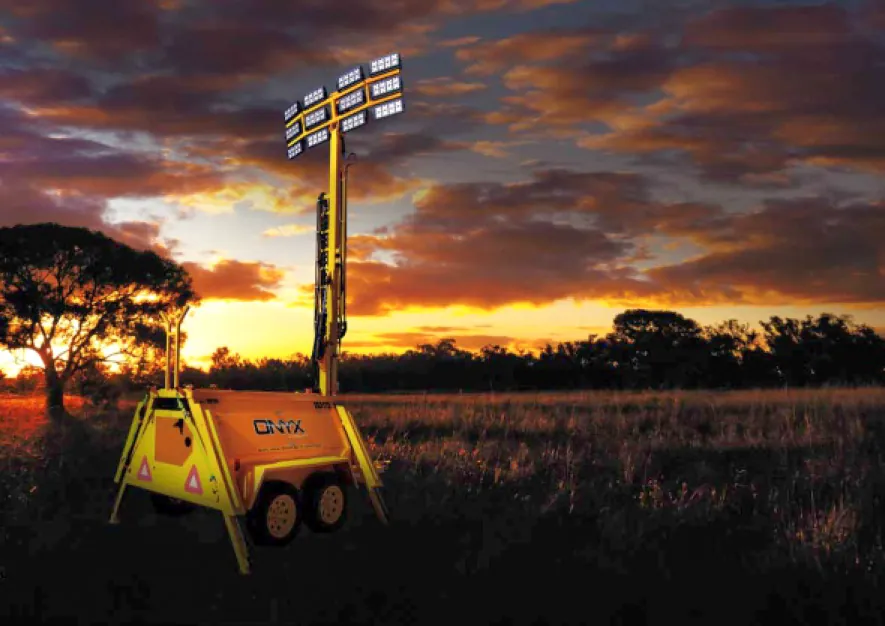
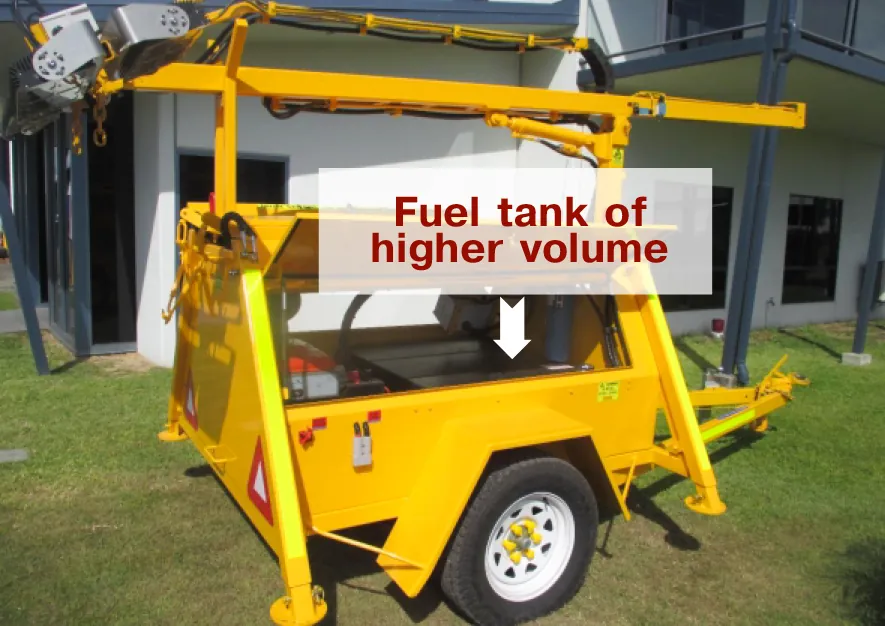
Lighting masts illuminate pits and work areas where there is no mains power: an enlarged fuel tank, a 24 V diesel generator and LED lamps, plus a tracking device. A mast runs about 400 hours on one tank; then a technician has to drive out to refuel and inspect it.
Planning those visits well requires the remaining fuel volume in every mast, sent to dispatch in real time.
DUT-E sensors feeding the trackers
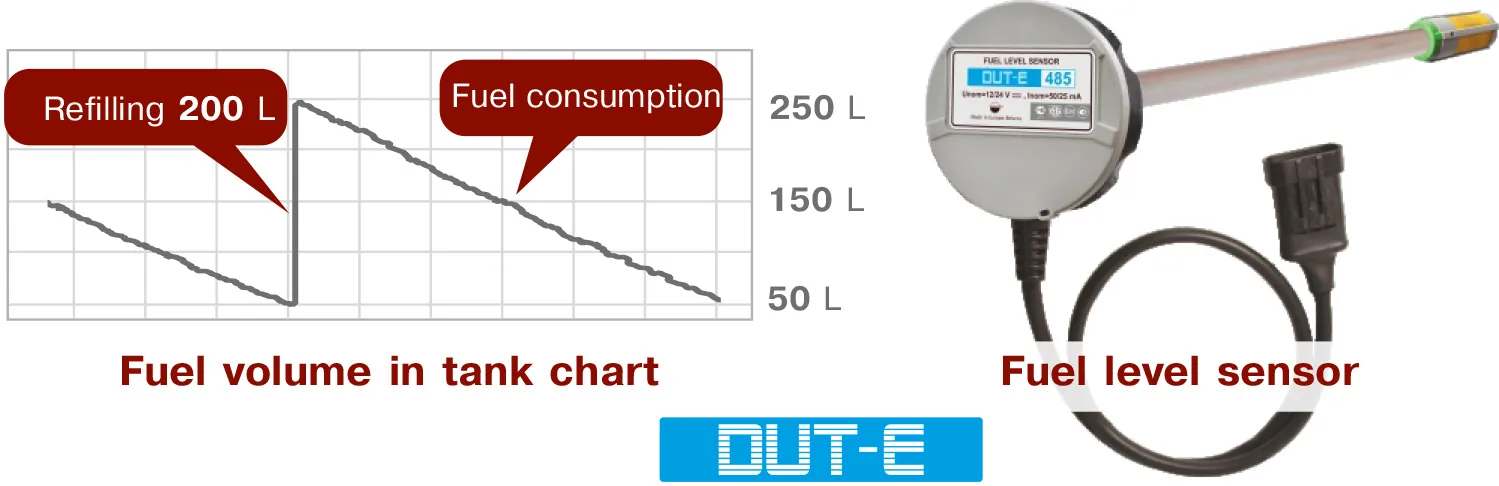
DUT-E 485 fuel level sensors measure the fuel volume in each mast’s tank with 0.2% measuring error and record refuelling and draining in real time. Over RS-485 they send level, volume and events to the tracking device and on to dispatch, where location, fuel and generator hours appear as reports and charts.
When a tank drops to 10%, the dispatcher sends a technician — so refuelling and maintenance happen exactly when needed.
DUT-E 485 sensors have been running on 150 lighting masts for more than a year, at their declared accuracy. Fast fuel data made it possible to optimise service routes and schedules: fuel costs and technical-service overheads fell by 20%.
Task → Solution → Result
Blind refuelling runs
Masts run ~400 h per tank in remote pits; service trips were planned without live fuel data.
DUT-E 485 + trackers
Fuel level sensors report volume, refuelling and draining to dispatch via the masts’ trackers.
−20% costs
Refuelling at 10% remaining; optimised service routes and schedules.
We have seen high reliability and efficiency of devices. DUT-E fuel level sensors work continuously in conjunction with tracking devices, used by our company.
Apurba Paul · Thiess
Want product info and guidance from our experts?
Tell us about your fleet and we'll recommend the right measurement setup.