
Audit-grade emissions data, straight from the engine.
Scope 1 fleet emissions measured directly from fuel sensors — for EU CSRD, MRV, ETS, ISO 14064, and equivalent reporting. Per-machine, per-site, per-voyage emissions calculated from real fuel data, not estimated from invoices. Full audit trail back to per-sensor readings.
Auditors don't ask what your emissions were. They ask how you know.
Compliance teams assemble emissions reports from fuel-card invoices, expense receipts, and best-effort consumption estimates. The accuracy is hard to defend; the audit trail goes back to a spreadsheet. Direct measurement is what every standard prefers — but instrumenting a fleet for compliance has historically been a separate budget from instrumenting it for operations, and the compliance team doesn't own the operations purchasing decision.
What we add
The same DUT-E and DFM sensors that catch fuel theft also produce audit-grade fuel data. CO₂ is calculated from measured fuel volume × IPCC-published emission factor for that fuel type. Reports auto-generated for CSRD, ISO 14064, MRV, and equivalent standards — with full audit trail back to per-machine sensor readings. One install, two outcomes: operations savings and compliance reporting on the same hardware.
Cumulative emissions vs target, plotted across the reporting period.
Monthly cumulative emissions tracked against the reporting period's target or prior-year baseline. The trajectory tells the board whether the year's commitment is on track — and the underlying audit trail is one click away if anyone asks.
- Actual emissions trajectory — cumulative tCO₂e measured month by month from sensor data.
- Target / baseline — overlay against the reporting target or prior-year cumulative for comparison.
- Per-source breakdown — diesel, biofuel, HVO, marine fuel oil all separately tracked using the right emission factor per source.
Operational fuel sensors plus a reporting layer — one install, two outcomes.
The recommended setup is the operational fuel monitoring stack you'd install for theft prevention or cost accountability — DUT-E and DFM as appropriate per equipment type. The differentiator is the reporting layer on top: emission factors per fuel type, audit-trail packaging, and report templates per regulatory standard.
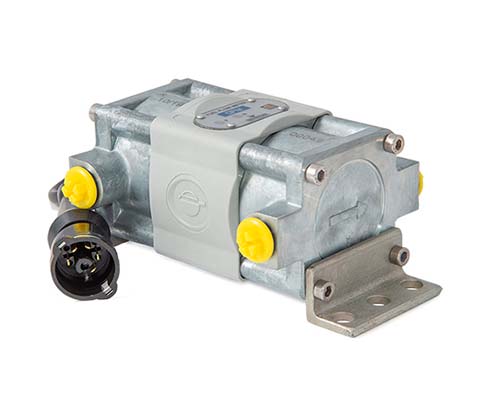
| Components | DUT-E (fuel level) · DFM (fuel flow) · DUT-E 2Bio (fuel-type detection) · Reporting layer |
| Accuracy | ±1% fuel · audit-grade emissions derived |
| Install | Standard per-equipment install (no additional hardware for emissions) |
| Hardware cost | Same as operational setup (reporting layer adds licensing) |
| Best when | Always — same investment improves operations AND produces audit-grade reports |
Direct measurement from engines, audit-grade reporting on top.
Wagencontrol hardware speaks SAE J1939, FMS, RS-485 and Modbus — so fuel data flows through any GPS platform you already use. The reporting layer sits on top, converting fuel measurements into regulatory-standard emissions reports.
Compliance teams shipping audit reports on time.
DFM flow meters on bunker vessels feed the port's EU MRV emissions reports voyage-by-voyage. End of manual fuel-log entry; end of cross-checking against bunker receipts. The same hardware that ended bunker disputes also produces the regulator's required reports.
An EU industrial corporate deployed DUT-E across construction and generator assets primarily for theft prevention. The same data, packaged through the reporting layer, became the company's first audit-grade Scope 1 report under CSRD — months ahead of the compliance team's original schedule.
A mining operator's first ISO 14064 audit accepted Wagencontrol-derived Scope 1 inventory without finding-level adjustments. The audit trail back to per-machine sensor readings — with documented IPCC emission factors — answered every methodology question raised.
Describe your fleet. Get a working setup in 30 seconds.
Our advisor knows the entire product line - every variant, every protocol, every tank table from 600+ OEMs. Try the recommendation before you talk to an engineer.