
Eco-driving data for 700+ city and intercity buses
How a Nordic telematics provider brought fuel data from the CAN and J1708 buses of VDL and Volvo vehicles into its trackers — the basis of an eco-driving programme at a major Swedish bus operator.
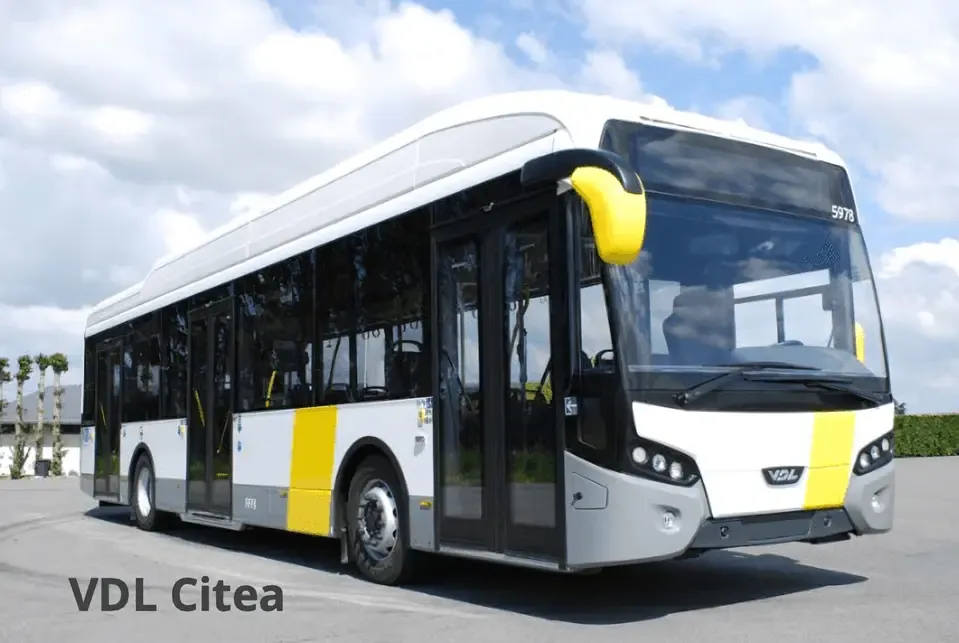
A Nordic telematics provider and its bus client
One of the largest telematics providers in Northern Europe, with offices in Sweden, Norway, Finland, Estonia, Latvia and Lithuania, covering road and rail transport monitoring and industrial automation. In 2019–20 it launched an eco-driving quality system for buses. The first customer was one of the major bus fleets in Sweden: over 700 VDL and Volvo city and intercity buses averaging 25–30 L/100 km.
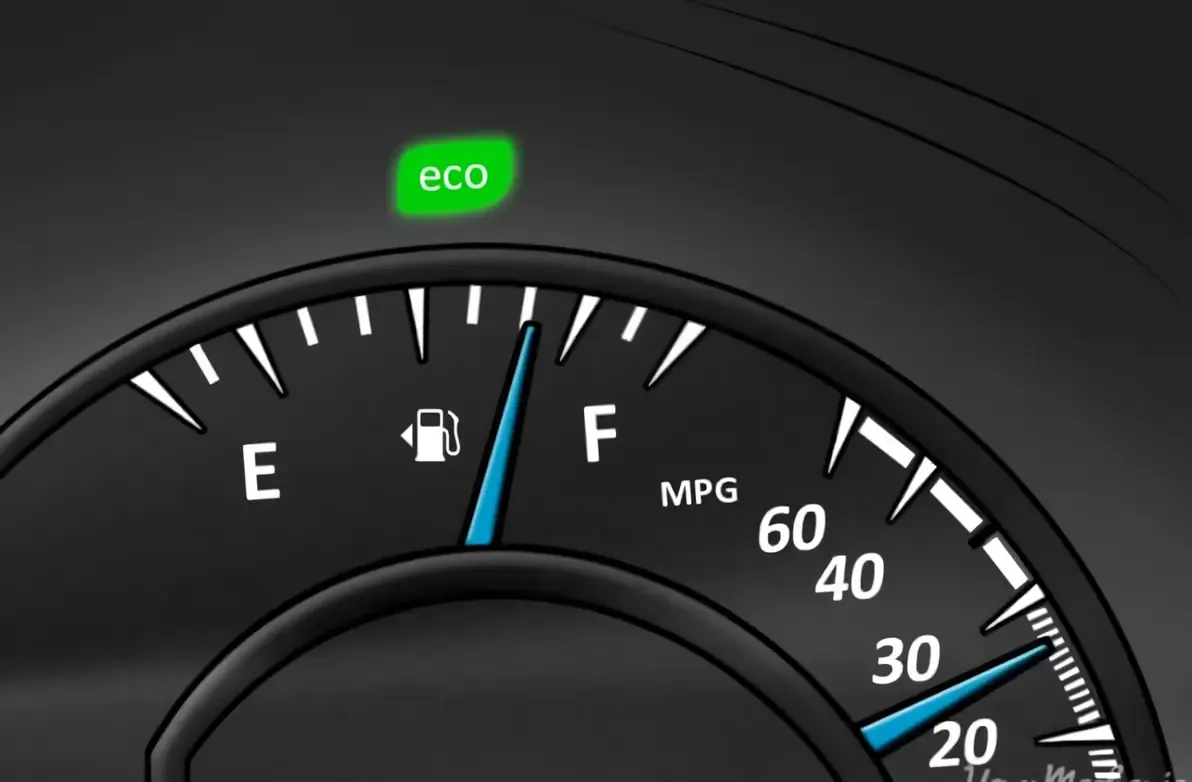
Fuel data the OBD port doesn’t provide
The eco-driving programme needed GPS location and route, speed and acceleration, live tachograph data, breathalyser checks — and fuel consumption. Instant fuel data sits on the vehicle’s CAN or J1708 bus and isn’t available from the OBD-II connector.
With the tachograph connected, the tracker’s only free input was RS-485 (ASCII protocol), so the bus messages had to be converted into a format the tracker understands.
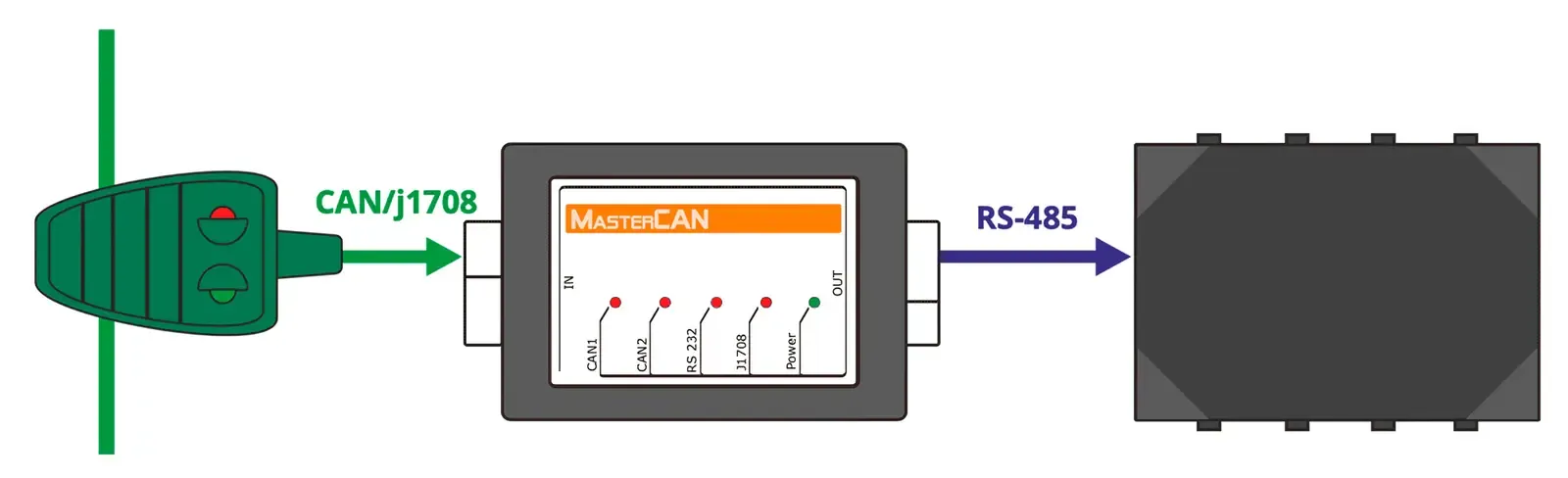
Contactless reading and protocol conversion
On Volvo buses, data travels on the J1708 bus: a 1708Crocodile contactless reader picks it up and a MasterCAN converter turns it into RS-485 ASCII for the tracker. VDL buses use CAN J1939, read with a CANCrocodile and converted the same way. MasterCAN also totals fuel consumption from engine start.
Contactless readers clamp onto the bus wires with no electrical connection and no damage to the wiring, and all devices draw power from the vehicle. For part of the fleet, Wagencontrol supplied a special batch of converters with cables that plug into standard CAN sockets, which made the readers unnecessary altogether.
Location, speed, acceleration, engine parameters and fuel consumption now reach the telematics service for every bus, with trip totals calculated on the converter. Based on this data, fleet management set driving-quality requirements for drivers. Meeting them improves transport safety, saves fuel and — through gentler driving — reduces repair costs.
Task → Solution → Result
Fuel data for eco-driving
Instant consumption is only on CAN/J1708, and the tracker had just one RS-485 input left.
Crocodile + MasterCAN
Contactless reading and conversion of CAN/J1708 data to RS-485 ASCII, with trip totals.
Eco-driving on 700+ buses
Driving-quality requirements based on real data: safer driving, fuel savings, lower repair costs.
We had to configure only one converter and, after that, a file with setting profile was exported and written into memory of all other devices. So, configuration of hardware didn’t take long.
Technical specialist · Telematics provider
Want product info and guidance from our experts?
Tell us about your fleet and we'll recommend the right measurement setup.