
Fuel monitoring for hospital backup generators
How a regional hospital in Uganda replaced hour-based fuel estimates on its CAT backup generators with measured consumption — fuel drains stopped and fuel costs fell 23%.

A hospital where power can’t fail
The medical centre in Mbale, one of Uganda’s largest cities, serves around 10% of the country’s population. It runs diagnostic, surgical, paediatric and gynaecology departments, and its operating rooms, intensive care and diagnostic equipment all depend on reliable power.
- 359 staff
- 450 beds
- 4.6 million people in the service area
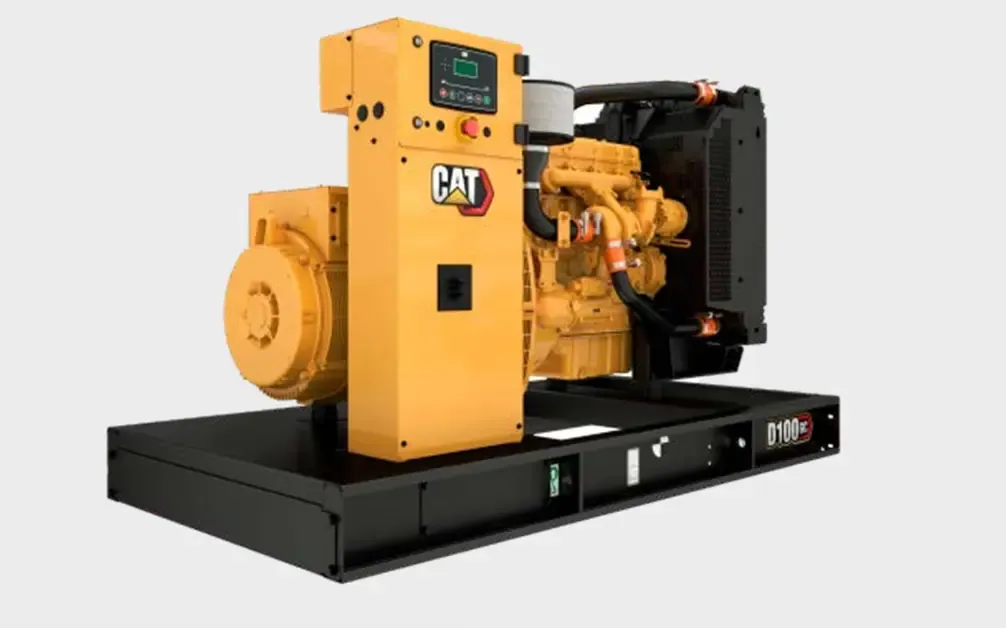
Fuel accounted by run hours — and suspected drains
Backup power comes from CAT D100 GC gensets (100 kVA standby, Cat C4.4 engine). A DSE 7320MKII controller starts the generator and transfers the load when mains power fails.
Fuel was accounted from engine hours using average consumption rates; actual consumption and tank level weren’t monitored, and there were suspicions of drains. For a hospital, an unexpectedly empty tank means operating rooms and intensive care without power. The goals: measure real consumption, record every refuelling and drain with alerts, and see it all remotely.
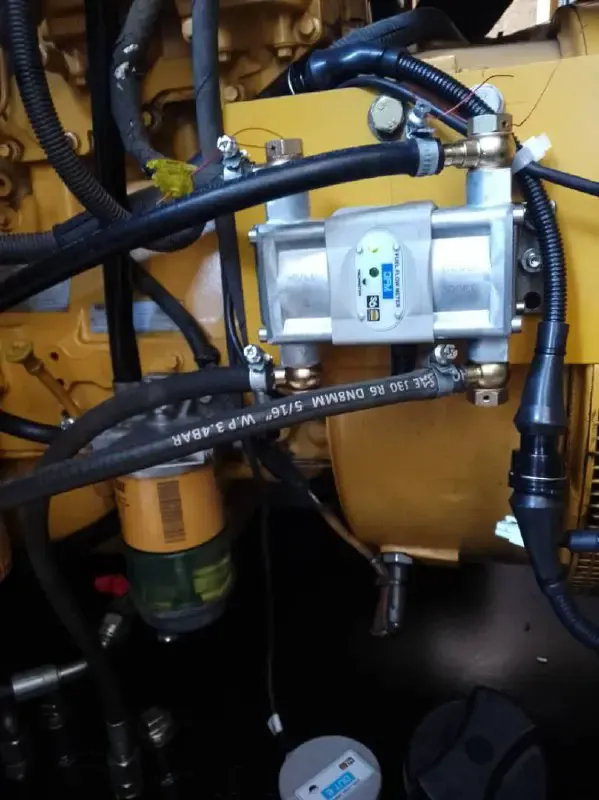
Flow meter, level sensor and a genset gateway
A DFM 250D CAN flow meter measures fuel in the fuel line and keeps consumption and engine-hour counters. A DUT-E CAN fuel level sensor tracks fuel remaining and detects refuelling and drains automatically.
A CANUp Genset gateway collects the sensor data over J1939/S6 and the controller data over Modbus RTU — voltage, frequency, current, power factor, RPM, temperatures and pressures — and sends everything to a cloud monitoring service with reports and API export.
Every refuelling and drain is now recorded and reported automatically, and unauthorised drains stopped. Fuel is bought and written off by actual consumption: the hour-based rates turned out to be 2.5 times higher than the real figures. Fuel costs fell by 23%, and the hospital plans to equip its remaining generators.
Task → Solution → Result
Estimated fuel, critical load
Hour-based fuel accounting, no tank data, suspected drains — on generators that power intensive care.
DFM + DUT-E + CANUp Genset
Measured consumption, tank level with drain alerts, and controller data in one cloud view.
−23% fuel costs
Drains stopped; real consumption far below the hour-based rates.
Want product info and guidance from our experts?
Tell us about your fleet and we'll recommend the right measurement setup.