
Fuel and field monitoring for a cotton cluster
How a vertically integrated cotton company in Uzbekistan cut fuel costs by 35% and field transit time by 70% with flow meters on its tractors.
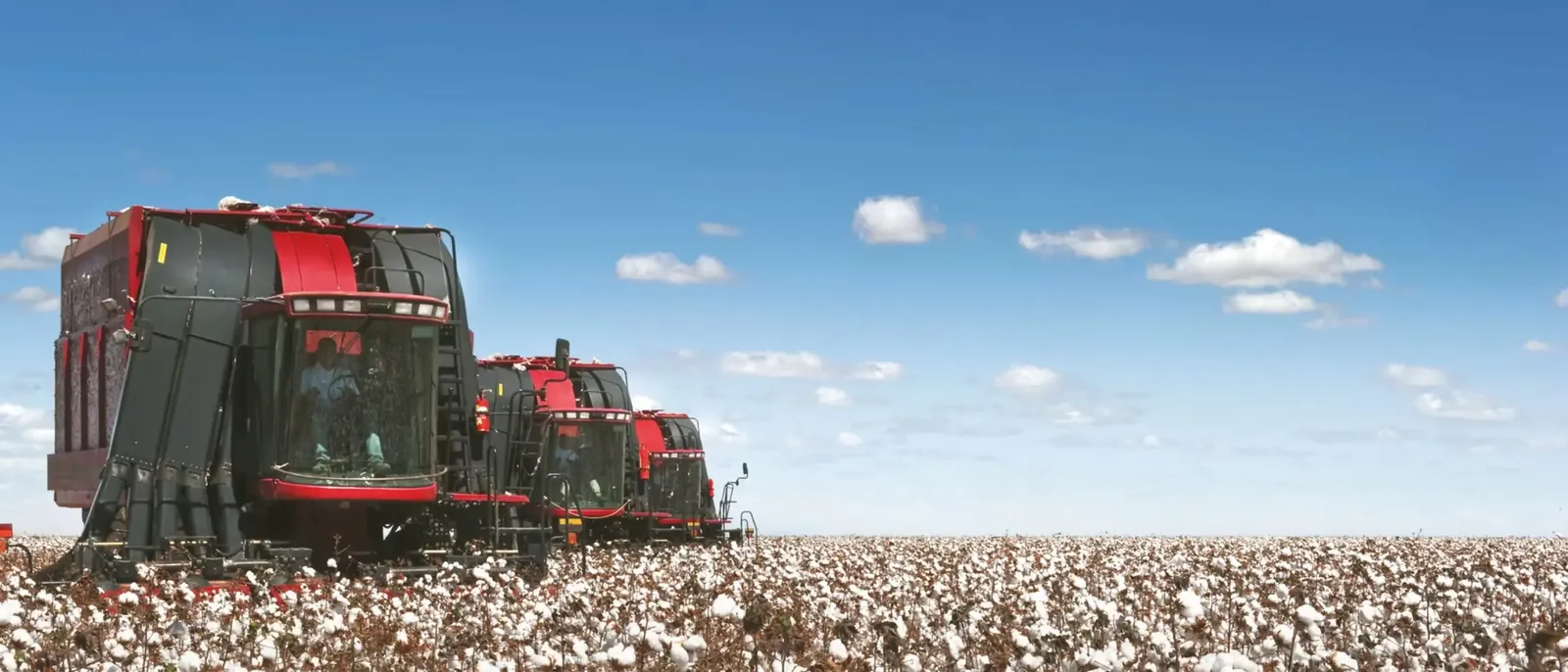
From cotton field to finished garment
Founded in 2020, the company is a cotton cluster covering the whole chain from growing the raw material to sewing finished products — its own cotton fields plus yarn, fabric and garment production on 10 lines.
- 1,300+ employees
- 12,000 ha of cotton fields
- 450,000 garments sewn per month
Quota fuel and idling engines
The field fleet includes Claas Arion, Case Puma, New Holland TD5, MTZ-80, TTZ LS100 and Kirovets tractors. Fuel and operator pay are major costs. Fuel quotas came from manufacturer specifications and were applied to machine-hours that mixed real work with field transfers; actual consumption wasn’t measured.
Operators were paid by standard hours — and some left engines idling to inflate the counters. Management wanted machine-hours by engine mode, measured fuel overall and by mode, and data on field work quality and departures from fields.
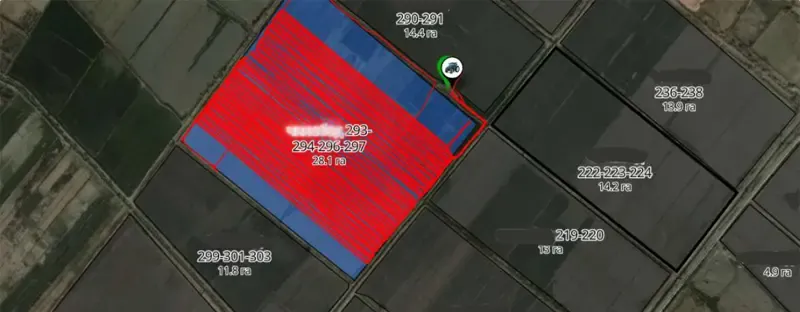
Flow meters feeding a field-monitoring service
DFM D differential flow meters measure fuel in each engine’s feed and return lines and send instant consumption and counters for idle, load and overload over CAN J1939. They also detect attempts to manipulate readings with air or magnets and raise alerts.
Trackers pass the data to an agricultural monitoring service that shows fuel and position online and reports area covered, distance, fuel and working time in the field and in transit.
Fuel is now accounted by actual use instead of quotas, and fuel costs fell by 35%. Route optimisation between fields cut transit time by 70%. Long idling stopped once operator pay was tied to the work actually done, and detailed reports raised agricultural productivity by 40%.
Task → Solution → Result
Quotas and idling
Quota-based fuel, machine-hours inflated by idling, no field data.
DFM D CAN + field monitoring
Measured fuel by engine mode, tamper alerts, and area and route reports.
−35% fuel, −70% transit
Pay tied to real work; productivity up 40%.
The DFM fuel flow meters provide reliable information on fuel consumption and engine runtime. The expectations we had for the machinery monitoring system have been fully met. The system's analytical reports provide us with the necessary information for optimizing agricultural processes. Once we accumulate data on engine operation in various engine modes, we will be able to implement a predictive maintenance system instead of scheduled maintenance.
Director · Cotton cluster, Uzbekistan
Want product info and guidance from our experts?
Tell us about your fleet and we'll recommend the right measurement setup.