Fuel consumption control for ships
How Freeport of Ventspils brought fuel use across five sea vessels under control in two weeks — by measuring consumption on every engine.
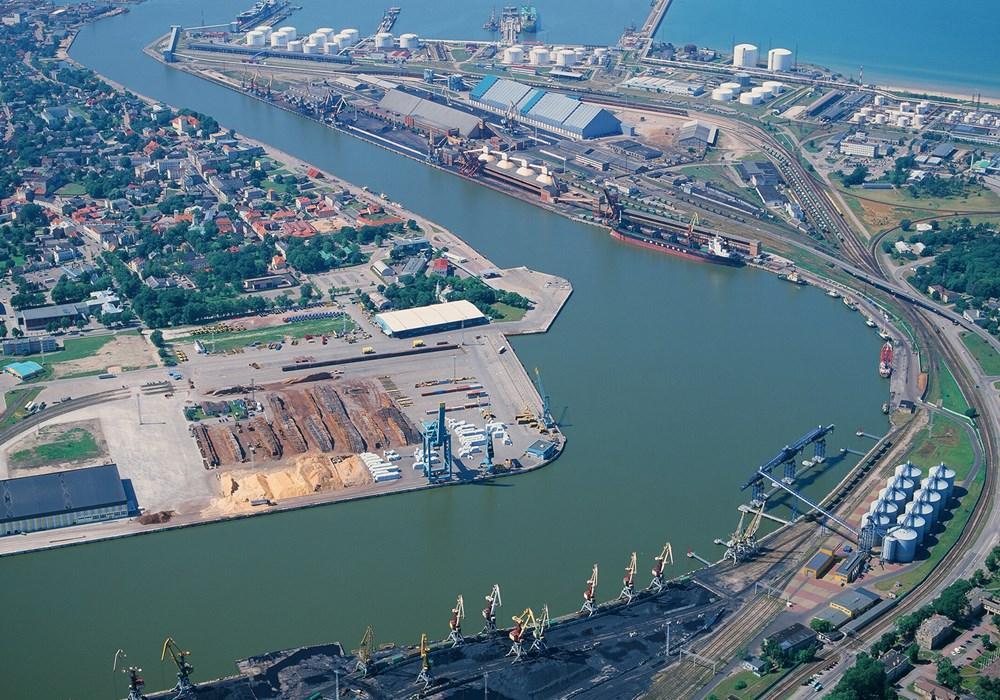
Freeport of Ventspils
Freeport of Ventspils is a large transport hub and industrial centre of international significance in Latvia and the Baltic Sea region. An ice-free deep-water port with a diverse range of transport connections and logistics opportunities, it is accessible across the EU, CIS and towards Central Asia.
- Clearance from impurities and magnetic clearing of cargo
- Re-packaging and warehousing
- 5 vessels processed at one time
- Up to 30,000 tons per day bulk cargo overloading performance
- 2 km from the port to Ventspils station
- Private port railways 14 km long, up to 400 cars
High fuel costs and a tight deadline
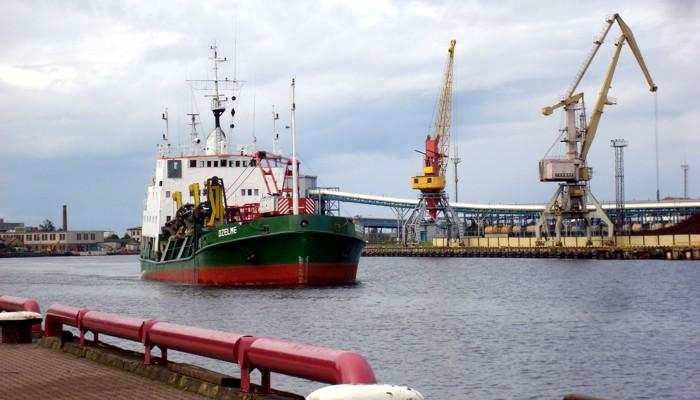
With the rapid growth of the port, the problem of high fuel consumption arose. Port capacity reached 5.5 million tons per year and Ventspils station handled up to 3,400 cars per day. The port also accepts PANAMAX-class vessels with carrying capacity up to 82,000 tons, 14.1 m draft and 240 m length.
Top management decided to find and implement a solution for five vessels of different types — complicated further by special demands for extra safety and a tight deadline.
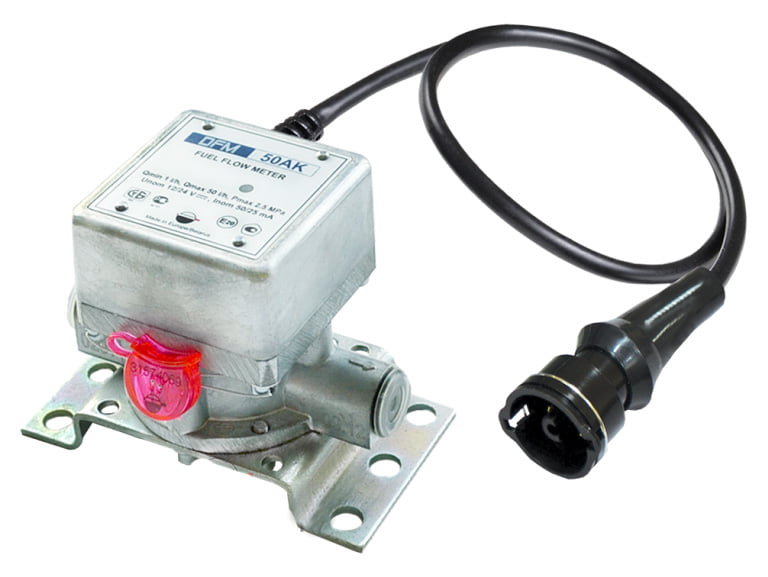
DFM flow meters on every engine
DFM fuel flow meters from Wagencontrol are designed to capture objective data on actual fuel consumption and engine working time, helping to reduce fuel and repair costs. They offer different output interfaces and can work autonomously or as part of a telematics system. Six meters of four types, plus a GPS tracking device, were fitted per ship.
The first results were evaluated after two weeks of operation: a dramatic reduction in fuel consumption of 58.6%. The efficiency of the chosen solution is mainly connected with eliminating fuel manipulation and optimising routes and business processes.
Task → Solution → Result
High fuel costs and suspected manipulation
The growing port's vessel fleet was burning excessive fuel with no way to verify consumption or detect manipulation by crew.
DFM flow meters on every engine
6 DFM fuel flow meters of 4 types plus a GPS tracking device installed per ship, measuring real-time consumption on each engine.
58.6% fuel reduction in 2 weeks
Dramatic reduction achieved through fuel manipulation prevention and optimisation of routes and business processes.
Installed equipment allows controlling fuel consumption, as well as preventing any fuel manipulation. The solution gives us day-and-night control and the ability to avoid breakdowns, fuel leaks and unnecessary payments. Installation was made on time and with the highest level of competence.
M. Dums · Technical Department Mechanical Engineer, Freeport of Ventspils
Want product info and guidance from our experts?
Tell us about your fleet and we'll recommend the right measurement setup.