
Online fuel monitoring for genset tanks
How the UN World Food Programme stopped fuel underfilling at Yemeni hospitals, guaranteed genset power, and cut fuel expenses by 25%.
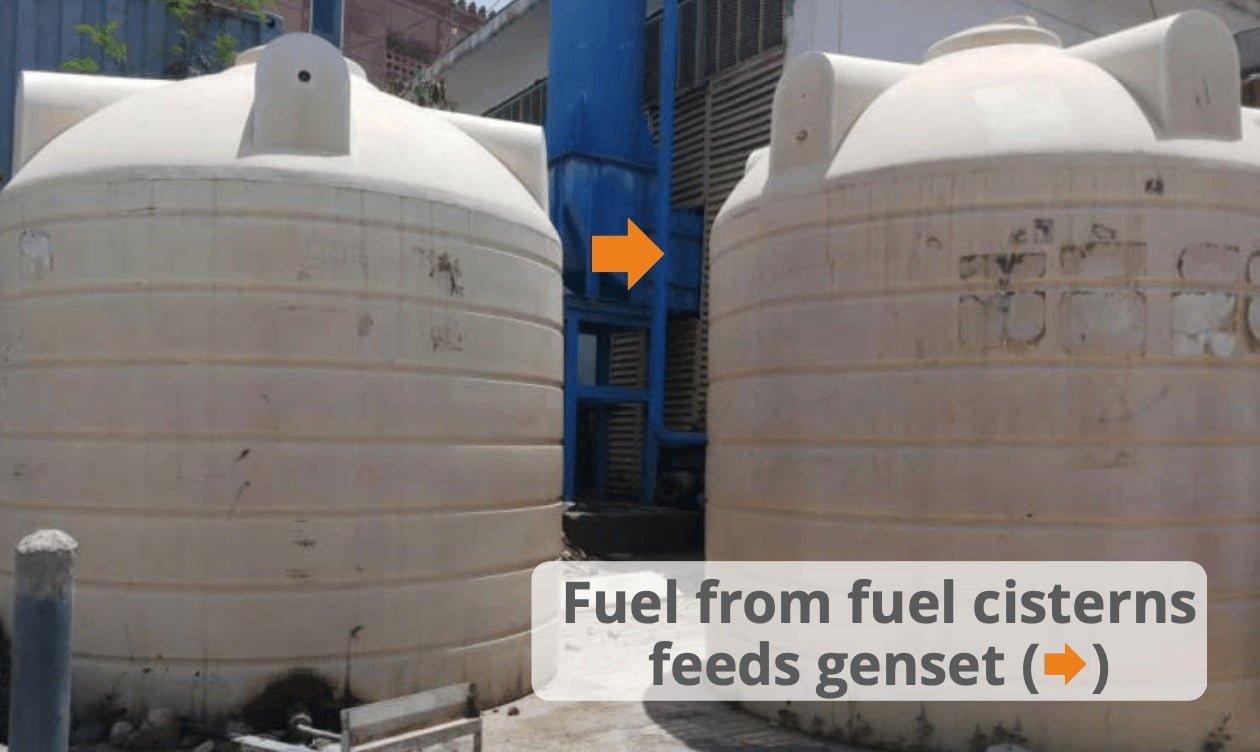
Powering hospitals in Yemen
The United Nations World Food Programme (WFP) is the world's largest humanitarian organisation, providing food and medical aid in countries hit by war, disaster and crop failure. Its large Yemen office serves dozens of hospitals amid years of civil war.
- 15,000 full-time employees
- 97 million people in 88 countries reached
Hospital power comes from diesel generator sets, fed by stationary cisterns from 800 L to 48,000 L and 1,000–4,000 mm tall.
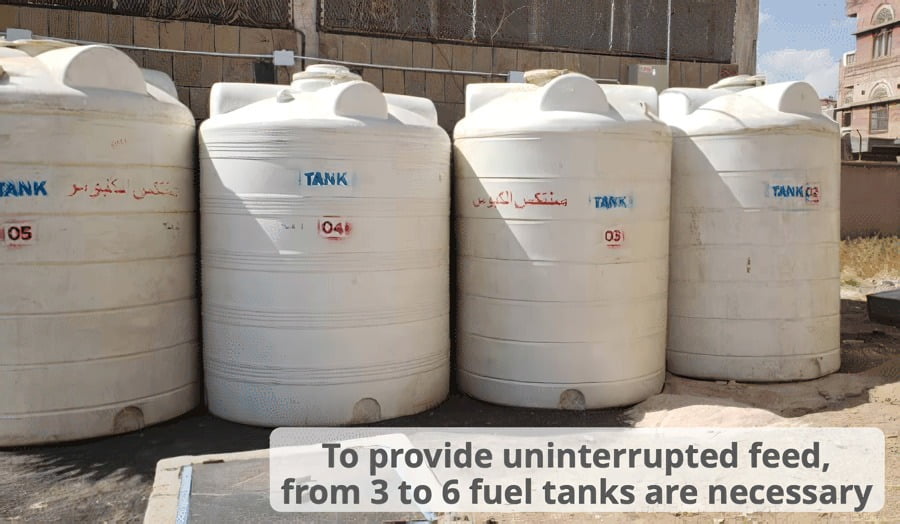
Suspected underfilling endangering power
WFP buys diesel from a local provider who delivers and refuels the tanks, then invoices for the amount supposedly filled — but the office had no way to verify it. For several months, a hospital's power supply was repeatedly endangered, and the customer began to suspect the provider was delivering less fuel than the documents stated.
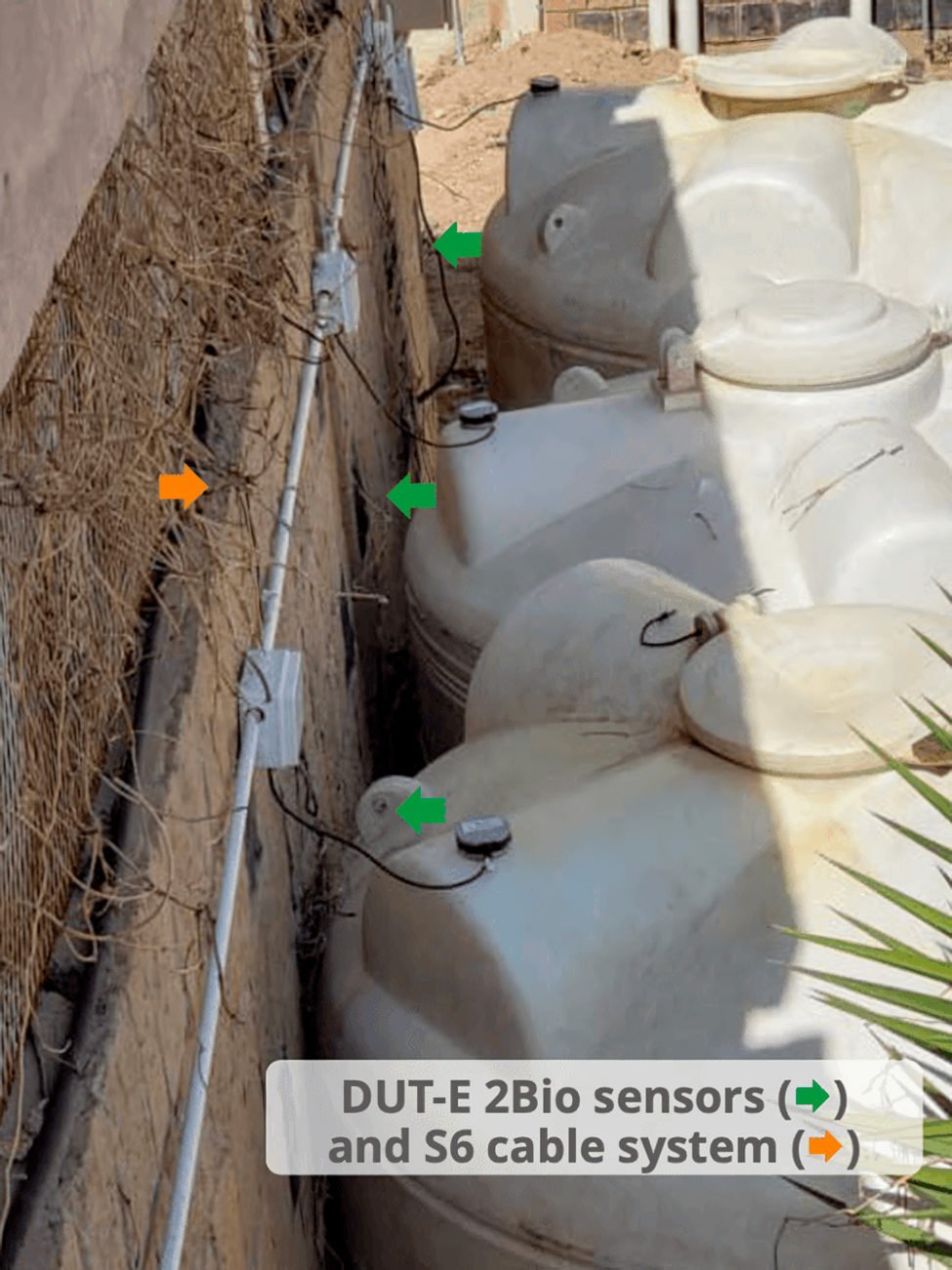
DUT-E 2Bio with permittivity correction
The provider deployed Wagencontrol's system: DUT-E 2Bio differential sensors and CANUp telematics gateways. Fuel quality is unstable — permittivity changes by delivery — so a third electrode at the tank bottom detects the change and auto-corrects each measurement, keeping inaccuracy within ±1%. Sensors ship at 1,000 mm with 500/1,000 mm add-on sections, extended on site in minutes. Three to six cisterns per genset run S6 Technology, combined with the CANUp gateway on one power network.
The customer now sees real fuel volume in each tank in real time, independent of fuel quality or temperature, with 0.1 mm resolution — and can verify deliveries against the waybill. Underfilling by the provider was stopped, fuel expenses for the gensets fell by 25%, and uninterrupted genset power was ensured.
Task → Solution → Result
Suspected underfilling endangering hospitals
Fuel provider was delivering less fuel than invoiced. Genset outages were putting hospital power supply at risk.
DUT-E 2Bio sensors on all tanks
Differential sensors with CANUp gateways measuring fuel volume to ±1%, automatically compensating for fuel quality and temperature.
25% fuel savings, zero outages
Underfilling stopped immediately. Genset power guaranteed. 755 tanks planned for full deployment.
At the first stage of the project, 149 DUT-E 2Bio differential sensors were installed and now provide reliable fuel-volume data for each cistern. Once installed, the risk of power outages in hospitals is reduced to zero. Ultimately, telematics by Wagencontrol will be installed on 755 stationary fuel tanks feeding 193 diesel generators.
Ali Haqlan · WFP engineer
Want product info and guidance from our experts?
Tell us about your fleet and we'll recommend the right measurement setup.